Last updated 2026-07-24
TL;DR
Semax is a synthetic ACTH(4-10) analogue that raises brain-derived neurotrophic factor (BDNF) in the basal forebrain, activates dopaminergic and serotonergic systems, and modulates hundreds of genes related to immunity, vascular health, and neurotrophin signaling after brain injury. Most evidence comes from decades of Russian clinical use and animal models; Western replication is limited.
What is Semax and what does it do in the brain?
Semax is a seven-amino-acid peptide derived from a fragment of adrenocorticotropic hormone (ACTH). The sequence is Met-Glu-His-Phe-Pro-Gly-Pro, with the first four residues matching ACTH(4-7) and the terminal Pro-Gly-Pro tripeptide added for metabolic stability and activity. [1] It's been approved and prescribed in Russia since the 1980s for stroke, traumatic brain injury, optic nerve disorders, cognitive impairment, and anxiety. Russian regulatory approval is not the same as FDA review: the key trials were conducted in Soviet-era and post-Soviet facilities, mostly published in Russian-language journals, and few have been independently replicated in Western cohorts. That doesn't mean the research is fraudulent. It means the evidence base is geographically and linguistically siloed, and you won't find a Phase 3 trial in the *New England Journal of Medicine*. Semax increases brain-derived neurotrophic factor (BDNF) protein levels in the rat basal forebrain, a region tied to memory and attention [2]. It also activates dopaminergic and serotoninergic neurotransmitter systems in rodents [3], and it modulates gene expression across immune response, vascular remodeling, and neurotrophin signaling pathways in models of stroke and ischemia [4][5]. These effects converge on what researchers describe as neuroprotection and nootropic activity, terms that mean different things in different regulatory contexts. In the US, Semax is not FDA-approved for any indication. It's accessible through compounding pharmacies using bulk API, a practice regulated under 21 U.S.C. 353a [6]. Compounded drugs are not reviewed for efficacy; the compounder's responsibility is identity, strength, quality, and purity. You're working from the Russian literature and animal models when you dose it, not a US-approved label.
How does Semax increase BDNF and neurotrophins?
Brain-derived neurotrophic factor (BDNF) supports neuronal survival, synaptic plasticity, and long-term potentiation, which are all involved in learning and memory. Semax binds specifically to BDNF protein in rat basal forebrain tissue and increases its levels at physiologically relevant doses [2]. This isn't just upregulation of mRNA. The peptide appears to stabilize or interact with the BDNF protein itself. In a rat model of cerebral ischemia, Semax and its metabolite Pro-Gly-Pro increased transcription of neurotrophins (BDNF, nerve growth factor, neurotrophin-3, neurotrophin-4/5) and their receptors (TrkA, TrkB, p75) in the hippocampus and frontal cortex one and seven days post-injury [7]. The mRNA levels were measured by real-time PCR. This suggests Semax doesn't just deliver a single neurotrophin. It shifts the whole neurotrophin signaling network toward a recovery-associated profile. The Pro-Gly-Pro metabolite has independent activity. It's cleaved from the C-terminus of Semax and also appears naturally as a collagen breakdown product. Glyproline peptides alone modulate inflammatory and neurosignaling genes after ischemia-reperfusion [8], pointing to at least two active components in the peptide's mechanism. No human studies have directly measured BDNF levels in cerebrospinal fluid or serum after Semax dosing. The neurotrophin data is entirely rodent-derived. That's a real limitation. BDNF is notoriously hard to measure peripherally and correlate with central effects, so we're left extrapolating from tissue studies in animals.
What neurotransmitter systems does Semax affect?
Semax activates dopaminergic and serotoninergic systems in the rodent brain, measured by changes in neurotransmitter metabolism [3]. In rats, the peptide increased dopamine turnover (measured as the ratio of the metabolite DOPAC to dopamine) in the striatum and increased serotonin turnover (5-HIAA/5-HT ratio) in the hippocampus and hypothalamus. These changes appeared at doses of 50 to 100 µg/kg intraperitoneally, roughly equivalent to 0.3 to 0.6 mg in a 70 kg human if you scale by body weight (which is imperfect for peptides, but gives an order of magnitude). Dopamine systems in the striatum are tied to motor control, motivation, and reward processing. Serotonin in the hippocampus and hypothalamus regulates mood, anxiety, and memory consolidation. The pattern of activation, higher turnover of both transmitters, matches the behavioral effects reported in Russian clinical trials: improved attention, reduced anxiety, better memory performance. Semax also interacts with the GABA-receptor system [9]. Synthetic corticotropins, including Semax, show both immediate and delayed effects on GABA-A receptor subunit expression in cultured neurons. GABA is the brain's main inhibitory transmitter, so modulation here could explain anxiolytic and anticonvulsant properties. Recent animal work found that Semax targets the μ opioid receptor gene Oprm1 in female mice with spinal cord injury, promoting deubiquitination and improving functional recovery [10]. This ties the peptide to the endogenous opioid system, which governs pain, stress response, and possibly some aspects of mood. No one study maps the full receptor and transmitter profile. The picture is a mosaic assembled from studies using different doses, routes, and endpoints. It's plausible Semax has multiple receptor targets and that its effects are dose- and context-dependent.
How does Semax change gene expression after brain injury?
Semax alters the expression of hundreds of genes in rat models of ischemic stroke, measured by genome-wide transcriptional analysis [4]. One day after middle cerebral artery occlusion, the peptide affected genes related to immune response, vascular system development, cell adhesion, and transcription regulation. The authors identified 129 genes with altered expression in the ischemic hemisphere, many tied to inflammation and vascular remodeling. A later transcriptome study using RNA sequencing found that Semax modulated immune response genes during ischemic brain injury in rats [5]. The peptide shifted the expression profile toward reduced pro-inflammatory signaling and increased neurotrophic support. Specific pathways included cytokine-cytokine receptor interaction, complement and coagulation cascades, and NF-κB signaling. ACTH-like peptides, including Semax, can partially compensate for gene expression disruptions caused by ischemia [11]. A 2024 study looked at gene expression in different brain regions (cortex, striatum, hippocampus) at varying distances from the ischemic core and found that Semax normalized profiles in moderately damaged zones, though heavily damaged tissue showed less response. Proteomic data confirms this at the protein level [12]. Semax treatment after ischemia-reperfusion in rats shifted the brain proteome toward neuroprotection, with increased expression of proteins involved in synaptic function, mitochondrial health, and antioxidant defense. The gene and protein changes are consistent: Semax nudges the injured brain toward a less inflammatory, more trophic state. This is not a single-target drug. It's a signaling molecule that alters the transcriptional program of multiple cell types (neurons, glia, endothelial cells) in a way that favors repair. Whether this translates to measurable clinical benefit in human stroke is still an open question outside the Russian trials.
Does Semax affect amyloid aggregation and copper/zinc binding?
Semax affects copper-induced beta-amyloid aggregation in artificial membrane models, relevant to Alzheimer's disease pathology [13]. In the presence of copper(II), Semax reduced the formation of toxic Aβ oligomers and fibrils on lipid membranes. The peptide itself binds copper and zinc ions [14], and the N-terminus acetylation (which distinguishes Semax from unmodified ACTH(4-10)) changes the metal coordination geometry and affects biological activity. Copper and zinc dysregulation is implicated in neurodegenerative diseases. Copper promotes Aβ aggregation and oxidative stress; zinc modulates synaptic transmission and can also stabilize amyloid structures. Semax's ability to chelate these metals and alter Aβ aggregation in vitro suggests a potential mechanism for the peptide's reported benefits in animal models of Alzheimer's. A 2025 study in an Alzheimer's disease rat model found that Semax and a derivative corrected pathological impairments, including reduced amyloid burden and improved cognitive performance [15]. The derivative tested was N-acetyl-Semax-amidate, a more metabolically stable analogue. Both peptides reduced oxidative stress markers and modulated neuroinflammation. Transthyretin (TTR), a plasma protein that transports thyroid hormone and retinol, may contribute to Semax's neuroprotective mechanism [16]. TTR also binds and clears Aβ, acting as a natural buffer against amyloid toxicity. Some evidence suggests Semax upregulates TTR, though the data is preliminary and the functional significance unclear. None of this has been tested in human Alzheimer's patients. The amyloid hypothesis itself remains contentious, and in vitro membrane models are a long way from a living brain. Still, the metal-binding and anti-aggregation data are mechanistically interesting and match Semax's broader profile as a pleiotropic neuroprotectant.
What happens to Semax in the body after dosing?
Semax is typically dosed intranasally, bypassing first-pass hepatic metabolism and delivering the peptide to the brain via olfactory and trigeminal nerve pathways, possibly also through direct absorption into the bloodstream and across the blood-brain barrier. Intranasal peptides can reach the central nervous system within minutes, though how much of the dose actually gets there is hard to measure. The peptide is metabolized by peptidases. The main metabolite is Pro-Gly-Pro, the C-terminal tripeptide, which has independent biological activity [7][8]. This means Semax is a prodrug of sorts: you're dosing the heptapeptide, but part of the effect comes from what it breaks down into. Plasma half-life and pharmacokinetic data in humans are not well-documented in the English-language literature. Russian sources cite short half-lives (on the order of minutes to an hour or two), typical for unmodified peptides, which is why the dosing schedule in clinical use is 2 to 3 times daily. N-acetyl-Semax-amidate, a derivative with capping on both termini, is more stable and may require less frequent dosing. Nootropic and analgesic effects vary by route of administration [17]. Intranasal dosing produces cognitive effects; subcutaneous or intraperitoneal routes in animal studies sometimes show stronger analgesic or anti-inflammatory effects. The distribution and receptor engagement differ by route, so switching between intranasal spray and injection changes more than convenience. It changes what the drug does. There are no published pharmacokinetic studies using modern LC-MS/MS methods in human subjects that I can find in PubMed. If you're dosing Semax, you're working from clinical experience and animal studies, not formal PK parameters. That's a real gap and a reason to be cautious with dosing claims.
How does Semax affect brain networks and connectivity?
Functional MRI studies in humans show that Semax affects the default mode network (DMN), a set of brain regions active during rest and self-referential thought [18]. A 2018 study found that Semax modulated DMN connectivity, with changes correlating to improved cognitive performance on attention and memory tasks. The DMN includes the medial prefrontal cortex, posterior cingulate cortex, and angular gyrus, regions implicated in mind-wandering, memory retrieval, and theory of mind. A functional connectomic analysis using resting-state fMRI in healthy volunteers looked at Semax and Selank (another Russian peptide) and found both altered connectivity patterns in networks related to attention, executive function, and emotional regulation [19]. The study used graph theory metrics and found that Semax increased global efficiency and modularity in specific networks, interpreted as improved information integration. These are small studies (fewer than 30 subjects in most) and the fMRI literature on Semax is not extensive. But it's real human data, not extrapolated from rats, and it suggests the peptide does reach the brain in pharmacologically active amounts after intranasal dosing. The connectivity changes match subjective reports from users: better focus, reduced mental fatigue, a sense of clarity. That's anecdotal and placebo-prone, but it fits the mechanism. If Semax is increasing BDNF, modulating monoamines, and shifting gene expression toward a more trophic state, you'd expect changes in network connectivity. I'd want to see these studies replicated in independent labs with larger samples and preregistered analysis plans. Neuroimaging is vulnerable to flexibility in analysis and small-sample noise. Still, the DMN findings are among the most interesting human data we have on Semax.
What does the clinical evidence from Russian trials show?
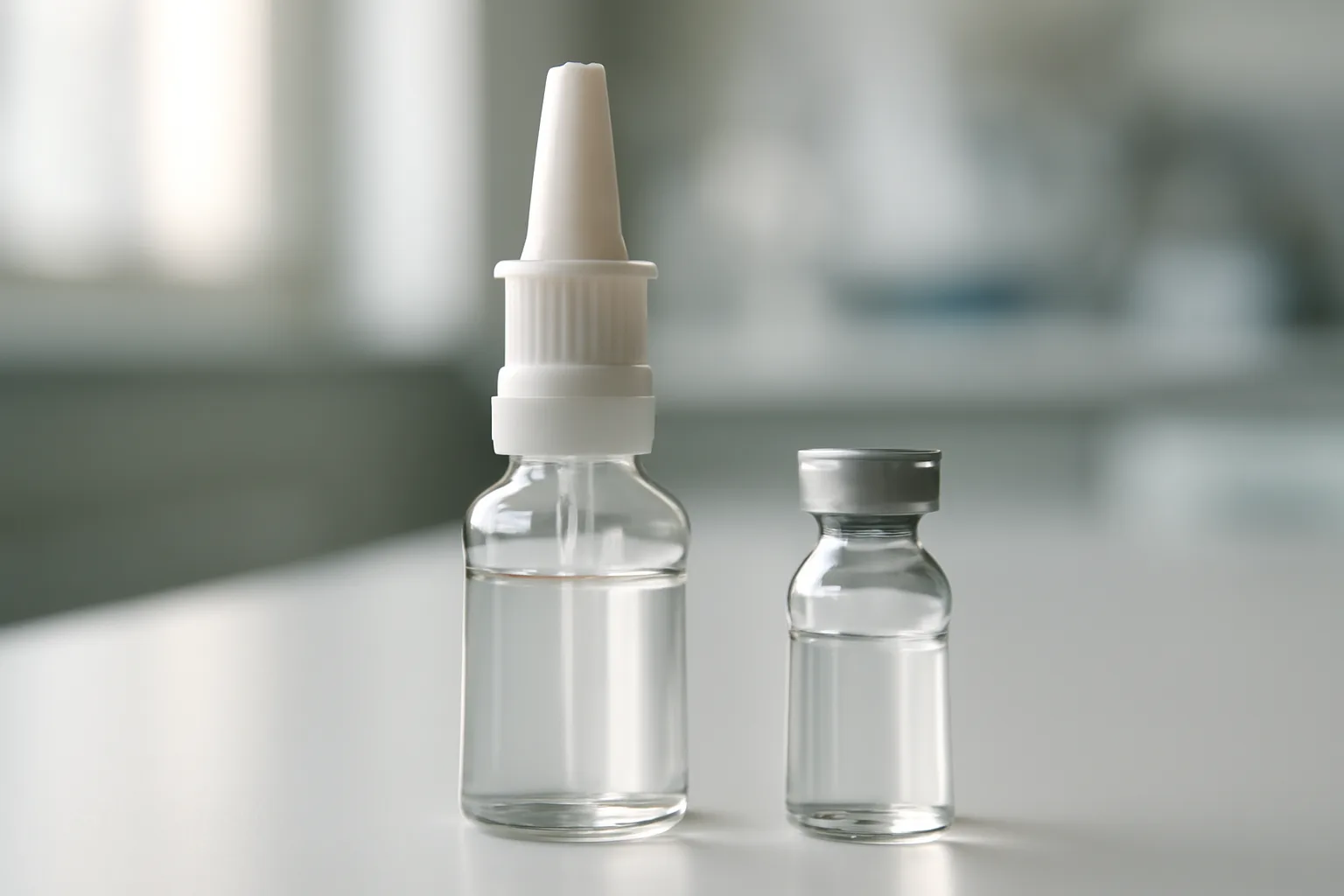
Russian clinical trials report efficacy for Semax in ischemic stroke, optic nerve disease, cognitive impairment, anxiety, and depression. A 2018 review of Semax in stroke patients at different stages found improved neurological outcomes, faster recovery of motor and speech function, and reduced disability scores compared to standard care alone [20]. The trials used doses of 6 to 12 mg per day intranasally, typically for 10 to 14 days in the acute phase or longer for chronic deficits. These trials are not blinded, placebo-controlled, FDA-style Phase 3 studies. Many are open-label, some are comparator-controlled (Semax plus standard care versus standard care), and the outcome measures are often physician-rated scales rather than hard endpoints like mortality or independently adjudicated stroke recurrence. A 2008 paper explored Semax for depression and found it comparable to tricyclic antidepressants in a small open trial [21]. Patients reported mood improvement and reduced anxiety. The study was not powered to detect differences versus placebo, and there's no Western replication. The Russian literature is extensive, consistent, and mostly positive. That consistency is both reassuring (the peptide does seem to do something reproducible) and a red flag (publication bias, lack of negative trials, and regulatory incentive to show benefit). It's worth reading if you can access translations, but treat it as hypothesis-generating rather than definitive proof. Semax nasal spray is available in the US through compounding pharmacies that source the bulk API and prepare it under 21 U.S.C. 353a. Semax Labs offers provider-reviewed orders fulfilled by US-licensed compounding partners. You're not getting an FDA-approved drug, and you're not getting a formulation that has passed formal US bioequivalence testing. You're getting a compounded preparation based on Russian clinical precedent, which is a different risk-benefit calculation than filling a prescription for an FDA-approved product.
How does Semax compare to other nootropics mechanistically?
Semax is a peptide. Most nootropics on the market (racetams, modafinil, caffeine, cholinergics) are small-molecule drugs. The differences are significant. Peptides don't cross the blood-brain barrier easily when taken orally; they're degraded in the gut. Intranasal delivery sidesteps that, but the pharmacokinetics are still fundamentally different from a pill. Semax raises BDNF. So do exercise, certain antidepressants (SSRIs over weeks of use), and maybe lion's mane mushroom (though the lion's mane evidence is weak). Semax appears to act faster, on the order of hours to days rather than weeks, and the effect size in rodent studies is larger than typical pharmacological interventions. Semax modulates multiple neurotransmitter systems. That's broader than modafinil (which primarily affects dopamine and orexin) or racetams (which act on AMPA receptors and possibly acetylcholine). The breadth of mechanism is an advantage if you want pleiotropic neuroprotection. It's a disadvantage if you're trying to titrate a single behavioral endpoint, because you can't easily predict or control what else changes. The gene expression data puts Semax in a category closer to hormetic stressors (heat shock, cold exposure, caloric restriction) than to classical drugs. It's reprogramming cellular responses, not blocking or activating a single receptor. That's appealing theoretically, but it also means dose-response curves are complex and individual variation is high. N-acetyl-Semax-amidate is a modified version with better stability. The acetyl group on the N-terminus and the amidate on the C-terminus protect against peptidase cleavage. It may offer longer duration of action and potentially different potency. Some users report it's subtly more stimulating; others find no difference. There's minimal comparative data. If you want a mechanistic comparison, Semax is less a drug than a signaling intervention. You're introducing a peptide sequence the brain recognizes (it's derived from ACTH, an endogenous hormone) and letting the endogenous machinery respond. That's very different from blocking a reuptake transporter or antagonizing a receptor.
What are the risks and unknowns with Semax?
The Russian safety data span decades of clinical use, mostly reporting mild and transient side effects: nasal irritation, restlessness, anxiety (in a minority), occasional headache. Serious adverse events are rarely mentioned in the literature, but that could reflect publication bias, underreporting, or genuinely low incidence. We don't have systematic post-market surveillance in the US. Semax is a peptide derived from ACTH. ACTH itself has immunosuppressive and metabolic effects at high doses, though the doses used in Semax (low milligram range) are far below those needed to stimulate cortisol release or mimic full ACTH activity. Still, there's a theoretical concern about immune modulation. The gene expression studies show Semax affects immune response genes [4][5]. Most of that appears to be anti-inflammatory in the context of injury, but chronic use in someone with an autoimmune condition or latent infection is untested. There's no data on pregnancy, lactation, or pediatric use. The peptide crosses into the brain; whether it crosses the placenta or appears in breast milk is unknown. I would not use it in those populations absent compelling need and very careful risk assessment. Long-term use (months to years) in healthy individuals is not documented in the literature. Russian trials mostly ran for days to weeks. Anecdotal reports from the nootropics community describe people using it for months, but that's self-reported, uncontrolled, and subject to survivor bias (people who have problems stop posting). The biggest unknown is individual variation. Peptides can be immunogenic; some people develop antibodies that reduce efficacy or cause hypersensitivity reactions. There's no way to predict this in advance, and it's probably rare, but it's a risk you don't have with small-molecule drugs. Semax side effects are covered in detail on this site, but the summary is: probably safe for short-term use in healthy adults based on Russian evidence, but the margin of the known is smaller than you'd have with an FDA-approved drug.
Where does Semax fit in the landscape of cognitive enhancement?
Semax is not a mainstream nootropic in the US. It's known in the peptide and biohacking communities, but it hasn't crossed into general use the way modafinil, racetams, or even newer compounds like 9-Me-BC have. Part of that is regulatory: it's not FDA-approved, so there's no marketing apparatus behind it. Part is practical: it requires intranasal dosing and refrigeration, which is less convenient than a pill. The evidence position is unusual. Most nootropics either have weak evidence (lion's mane, various racetams) or strong Western evidence in narrow indications (modafinil for narcolepsy, stimulants for ADHD). Semax has strong Eastern evidence and minimal Western replication. That makes it hard to categorize. It's not fringe, but it's not validated by the standards most US physicians use. I think Semax is worth considering if you're facing a situation where the Russian data is directly relevant: acute stroke recovery, optic nerve injury, post-concussion syndrome, or intensive cognitive demands where you want neurotrophic support and you're comfortable working from animal models and foreign trials. How many mg of Semax a day is a dosing decision that should be informed by the Russian clinical literature (typically 300 to 600 mcg two to three times daily) and adjusted based on response. It's probably not the first nootropic I'd try for general cognitive enhancement in a healthy person. The cost-benefit favors it more in a therapeutic or recovery context than as a daily productivity hack. But that's a judgment call. Some people report substantial subjective benefit and minimal side effects, and if that's your experience, the Russian evidence is reassuring enough to support continued use. Where to buy Semax is a sourcing question with quality implications. Compounding pharmacies in the US using verified bulk API are the safest bet. Research chemical vendors are a gamble on purity and identity. Semax injection is another route discussed in some communities, but intranasal is the standard route in the clinical literature and the one with the best safety data.
Frequently asked questions
How quickly does Semax start working?
Effects on attention and mental clarity are sometimes reported within 20 to 60 minutes of intranasal dosing, likely due to rapid CNS penetration via olfactory pathways. Changes in gene expression and BDNF levels take hours to days to develop in animal studies. Clinical trials in stroke used 10 to 14 day courses, so therapeutic benefits in injury models are not immediate.
Does Semax need to be cycled?
No formal guidance exists. Russian clinical use was typically 10 to 30 days, then a break. Some nootropics users report tolerance with continuous daily use beyond a few weeks, anecdotally resolved by stopping for a week or two. There's no published data on receptor downregulation or loss of efficacy with chronic dosing.
Can Semax be taken orally?
Oral bioavailability is likely near zero. Semax is a peptide and is degraded by gastrointestinal proteases. Intranasal delivery bypasses this and is the standard route in all clinical studies and approved formulations.
Is Semax legal in the United States?
Semax is not FDA-approved, not a controlled substance, and not explicitly banned. It's accessible via compounding pharmacies under 21 U.S.C. 353a. Compounded drugs are not reviewed by FDA for efficacy, and marketing them with disease claims without approval is a violation of the Federal Food, Drug, and Cosmetic Act per 21 CFR 201.128.
Does Semax increase dopamine?
Semax increases dopamine turnover in the rodent striatum, meaning it raises the ratio of the metabolite DOPAC to dopamine itself, a sign of increased dopaminergic activity. It's not releasing dopamine like amphetamine. The mechanism appears modulatory, tied to changes in neurotrophin signaling and gene expression, not direct receptor agonism.
Can Semax help with ADHD?
No controlled trials in ADHD exist. Anecdotal reports from users claim improved focus and reduced distractibility. The peptide's effects on dopamine, BDNF, and attention networks make it mechanistically plausible, but without clinical data, this is speculative. Stimulants and atomoxetine have far stronger evidence for ADHD.
What's the difference between Semax and Selank?
Semax is derived from ACTH(4-10) and acts on neurotrophin and monoamine systems. Selank is derived from tuftsin, an immune peptide, and primarily affects anxiety via GABAergic and serotonergic mechanisms. Both are Russian peptides with intranasal dosing, but their mechanisms and primary indications differ. Selank is more anxiolytic; Semax more nootropic and neuroprotective.
How should Semax be stored?
Store in the refrigerator at 2 to 8°C. Peptides degrade faster at room temperature. Once opened, use within 30 days is typical guidance from compounding pharmacies. Freezing is generally not recommended for nasal sprays due to potential changes in formulation and spray mechanics.
Does Semax cause anxiety?
Most users and Russian clinical reports describe reduced anxiety. A minority report increased restlessness or anxiety, possibly dose-related or idiosyncratic. Semax affects serotonin, dopamine, and GABA systems, which govern anxiety, so individual responses can vary. Start low and titrate.
Is Semax neurotoxic?
No evidence suggests neurotoxicity. Animal studies show the opposite: neuroprotection in models of stroke, injury, and neurodegeneration. Gene expression and protein data indicate reduced oxidative stress and inflammation. Chronic high-dose studies in humans don't exist, but the mechanistic profile does not point toward toxicity.
Can Semax be used for stroke recovery?
Russian clinical trials report improved outcomes when Semax is added to standard stroke care in acute and subacute phases. Doses were typically 6 to 12 mg per day intranasally for 10 to 14 days or longer. These trials are not blinded or placebo-controlled by Western standards, and the evidence has not been replicated in US or European populations. It's off-label use with mechanistic support but limited regulatory validation.
Does Semax interact with other medications?
No formal drug-drug interaction studies exist. Semax's effects on GABA, dopamine, and serotonin systems suggest potential interactions with psychotropic medications (SSRIs, benzodiazepines, antipsychotics, stimulants). Combining peptides with monoamine-active drugs without medical supervision is risky. Inform your physician if you're using both.
How long do Semax effects last?
Subjective cognitive effects may last 4 to 8 hours after a single intranasal dose, per user reports. The peptide's plasma half-life is short (likely under 2 hours), but changes in gene expression and BDNF may persist longer. Russian clinical protocols dosed 2 to 3 times daily to maintain effect.
Is N-acetyl-Semax better than regular Semax?
N-acetyl-Semax-amidate is more metabolically stable due to terminal modifications, potentially offering longer duration and different potency. Some users report it's subtly stronger or more stimulating. There's minimal head-to-head data. Both are used in the nootropics community; choice is often personal preference or availability.
Sources
- Therapeutic Peptides in Orthopaedics (PMID 41490200): Semax is a seven-amino-acid peptide derived from ACTH with the sequence Met-Glu-His-Phe-Pro-Gly-Pro
- Semax binds BDNF and increases levels (PMID 16635254): Semax binds specifically and increases levels of brain-derived neurotrophic factor protein in rat basal forebrain
- Semax activates dopamine and serotonin systems (PMID 16362768): Semax activates dopaminergic and serotoninergic brain systems in rodents, increasing neurotransmitter turnover
- Semax affects immune and vascular genes (PMID 24661604): Semax affects the expression of genes related to the immune and vascular systems in rat brain focal ischemia
- Semax regulates immune response genes (PMID 28255762): Semax regulates expression of immune response genes during ischemic brain injury in rats
- 21 U.S.C. 353a, pharmacy compounding: Compounded drugs in the US are regulated under 21 U.S.C. 353a, not reviewed by FDA for efficacy
- Semax activates neurotrophin transcription (PMID 19633950): Semax and Pro-Gly-Pro activate the transcription of neurotrophins and their receptor genes after cerebral ischemia
- Glyproline peptides modulate inflammatory genes (PMID 36553646): Glyproline peptides modulate inflammatory and neurosignaling genes after ischemia-reperfusion
- Semax and GABA-receptor system (PMID 36828803): Synthetic corticotropins including Semax show direct and delayed effects on the GABA-receptor system
- Semax targets μ opioid receptor gene (PMID 40692165): Semax peptide targets the μ opioid receptor gene Oprm1 to promote functional recovery after spinal cord injury in female mice
- ACTH-like peptides compensate gene expression (PMID 39767736): ACTH-like peptides compensate rat brain gene expression profile disrupted by ischemia one day after experimental stroke
- Brain protein expression after Semax (PMID 34201112): Brain protein expression profile confirms the protective effect of Semax in a rat model of cerebral ischemia-reperfusion
- Semax affects copper-induced Abeta aggregation (PMID 35080861): Semax affects copper-induced Abeta aggregation and amyloid formation in artificial membrane models
- N-terminus acetylation affects metal coordination (PMID 27586814): N-terminus acetylation of Semax influences copper(II) and zinc(II) coordination and biological properties
- Semax corrects pathological impairments in Alzheimer's model (PMID 41479572): Semax and its derivative correct pathological impairments in an animal model of Alzheimer's disease
- Transthyretin in regulatory peptide neuroprotection (PMID 30383932): Possible role of transthyretin in the biological mechanism of regulatory peptide neuroprotection
- Nootropic and analgesic effects by route (PMID 21268834): Nootropic and analgesic effects of Semax following different routes of administration
- Effects of Semax on default mode network (PMID 30225715): Semax affects the default mode network of the brain in human fMRI studies
- Functional connectomic approach to Semax (PMID 32342318): Functional connectomic approach reveals Semax alters brain network connectivity patterns
- Efficacy of Semax in ischemic stroke patients (PMID 29798983): Russian clinical trials report efficacy of Semax in treatment of patients at different stages of ischemic stroke
- Therapeutic possibility of Semax for depression (PMID 18204410): Semax showed therapeutic possibility for depression in a small open clinical trial